

Futon Mattress Types Explained: How to Choose Comfort for Sitting and Sleeping
The best futon mattress depends on how often it will be used as a sofa, how often it will become a bed, who will sleep on it and what frame supports it. At The Futon Shop, we help customers compare complete futon packages rather than choosing by thickness alone. A mattress that feels plush for one night may be difficult to fold every day, while a flexible sofa-friendly model may not provide the support a particular sleeper expects.
Begin with the room’s primary job. A living-room futon used mostly for seating needs a mattress that holds its shape and bends smoothly with the frame. A guest-room futon used for occasional sleep may prioritize sleeping comfort. A studio or small apartment used every night needs a careful balance of support, durability, foldability and daily handling.
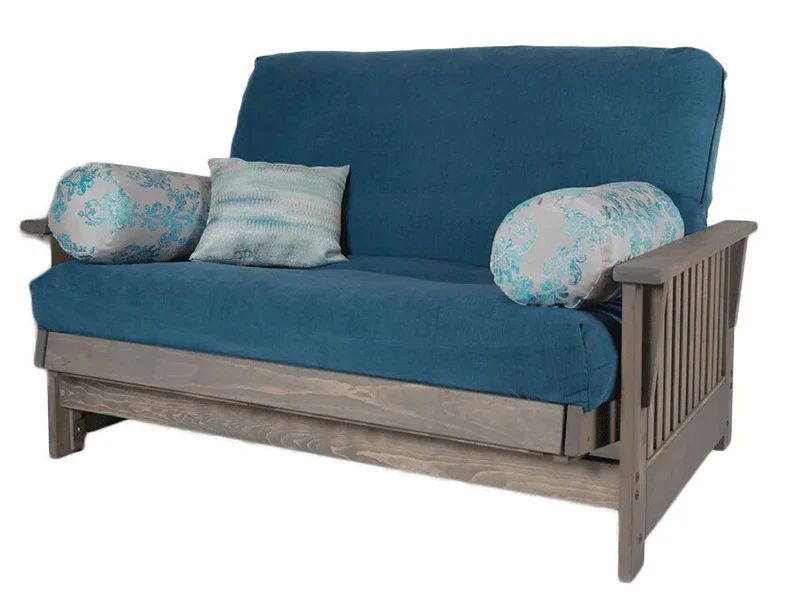
How futon mattresses differ from standard mattresses
A futon mattress must work in more than one position. It flexes as the frame converts and must settle back into a flat sleeping surface. Construction, tufting and internal materials influence whether it stays in place and how easily it folds.
A conventional mattress designed for a fixed bed may not bend safely or fit the frame. Use a mattress intended for the futon system and confirm dimensions. The frame, mattress and cover should work together as a package.
Common material categories
Futon mattresses may use cotton, foam, fibre, springs or combinations. Each construction changes weight, flexibility, surface feel and support. Product names can vary between manufacturers, so read the actual material and specification rather than assuming a label means the same thing everywhere.
No material is universally best. A lighter user who prefers a firm surface has different needs from two adults seeking a softer guest bed. Tell us about both sitting and sleeping use so we can narrow the options.
Cotton and fibre mattresses
Traditional futon mattresses often use layered cotton or fibre. They can create a firm, substantial feel and flex with the frame. Over time, natural compression is expected, so regular rotation and care are important.
These mattresses may feel different from a deep foam or spring bed. Some customers appreciate the supportive surface; others prefer more cushioning. Sit and lie on a showroom model when possible, and ask how the display’s age compares with a new mattress.
Foam-containing mattresses
Foam layers can add cushioning, resilience and pressure distribution. Density and type matter more than the word “foam” alone. A very soft foam may feel comfortable briefly but may not provide the support or durability a user needs.
Ask how the foam affects folding and whether the mattress is intended for frequent conversion. Consider room temperature as well, since some materials feel different in a cool basement or warm upper room.
Innerspring and coil options
Some futon mattresses include springs for a feel closer to a conventional bed. They may offer familiar support for sleeping, but construction can make them heavier or less flexible than fibre-based models. Compatibility with the frame is essential.
If you convert the futon daily, test the motion with the actual mattress. A product that sleeps well but is frustrating to fold may not suit a studio. For a guest room converted only a few times per year, the trade-off may be acceptable.
Hybrid constructions
Hybrid futon mattresses combine materials to balance contouring, support and flexibility. One may use fibre around foam, while another integrates coils and cushioning. Evaluate the whole construction rather than assuming “hybrid” guarantees a premium feel.
Ask about thickness, weight, tufting, warranty and intended use. A layered mattress can still be firm or soft depending on proportions and materials.
Firmness versus support
Firmness is the initial feel at the surface. Support describes how the mattress helps maintain alignment and resists excessive sinking. A soft surface can be supportive, and a firm surface can be unsuitable for a particular body.
There is no single firmness that works for everyone. Side sleepers may prefer more pressure relief at shoulders and hips, while some back sleepers prefer a firmer feel. Health concerns should be discussed with an appropriate healthcare professional rather than relying on a furniture salesperson for medical advice.
Thickness is not the whole answer
A thicker mattress may feel substantial, but it can be heavier and harder to fold. Thickness also interacts with materials and the frame angle. Two mattresses with the same measurement can feel very different.
Check whether a thick mattress crowds the frame, affects conversion or hides decorative wood details. Confirm the fitted cover depth if you plan to use one. Choose thickness after considering construction and daily use.
Choose for sitting comfort
When the futon is a sofa most of the time, sit in your usual position for several minutes. Check whether the seat depth suits your legs, whether the mattress slides and whether the back feels supportive. A short showroom sit does not reveal everything.
The frame’s pitch and arm design affect comfort as much as the mattress. Compare complete hardwood futon packages so you can evaluate the combined height and geometry.
Choose for sleeping comfort
Lie in your normal sleeping position, ideally with the mattress flat on its intended frame. Notice pressure points, edge feel and movement when turning. Couples should test together because combined weight changes the experience.
For regular sleep, ask about rotation, ventilation and the foundation. A mattress needs suitable support beneath it. Do not place it on an incompatible surface merely to change firmness.
Measure the room and sleeping area
Futons need clearance to convert. Measure the wall, floor space, doorways and path into the room. Record the frame dimensions in sofa and bed positions. A full-size sleeping surface does not mean every full futon frame has identical outside dimensions.
Use painter’s tape to mark the open footprint. Make sure drawers, doors and walkways remain usable. In a condo, measure elevators and turns as well as the front door.
Daily conversion and mattress weight
A mattress that is easy for one person to lift may be difficult for another. If the futon will open nightly, test the conversion and consider who will perform it. Frame mechanism, mattress weight and wall clearance all affect effort.
Do not force a stuck frame. Learn the correct sequence and keep hands clear of moving parts. If mobility is limited, prioritize a system that can be operated safely.
Mattress retention and slipping
Some futon mattresses shift when used upright. The frame design, mattress flexibility, cover and retention features affect this. Ask how the package keeps the mattress positioned and whether accessories are recommended.
A mattress that constantly slides can make seating uncomfortable. Do not improvise with materials that interfere with the mechanism or create a fire or ventilation concern. Use products intended for the system.
Covers and protectors
A removable futon cover changes the look and protects the mattress from everyday wear. Confirm dimensions and closure style. Thick quilting may require a deeper cover, while a loose cover can bunch during conversion.
For homes with pets or children, choose a fabric and cleaning method that fits real life. A waterproof protector may affect feel or breathability, so check compatibility. Follow mattress and cover care instructions.
Rotation and maintenance
Rotate the mattress according to manufacturer guidance so wear is distributed. Some can be flipped; others have a defined top. Air it as appropriate and keep it dry. Do not bend it opposite the intended fold.
Vacuum the cover and address spills promptly with approved methods. Overwetting can damage internal materials. If the mattress develops odour or moisture, investigate room humidity and ventilation.
Expected compression
Fibre and cushioning materials settle with use. This is not automatically a defect, but deep uneven impressions or damaged components deserve assessment. Regular rotation and using the full seating area can reduce concentrated wear.
Ask what break-in period and compression are normal for the specific product. A showroom mattress may feel softer than a new one because many customers have tested it.
Frames and slat support
The spacing and condition of frame slats affect support. Use the mattress on a compatible futon frame and inspect slats for damage. A broken or missing support can make the mattress feel uneven and may void product coverage.
Hardwood frames offer different styles, finishes and arm designs. Choose the frame and mattress together rather than treating the frame as decoration added after the comfort decision.
Room purpose and guest expectations
For an office that occasionally hosts one adult, easy conversion and compact size may lead the decision. A family room used daily needs seating durability. A rental or cottage may require a straightforward cover and clear operating instructions.
Be realistic about frequency. “Occasional” can mean twice a year or every weekend. Tell us the expected pattern so recommendations match the workload.
Budget and long-term value
Compare complete package price, expected use, cover needs and replacement options. The least expensive mattress may be appropriate for rare use, while frequent sitting and sleeping may justify stronger construction.
Value also includes whether replacement covers and mattresses remain available. Ask what is included in the package and which accessories are separate.
Test with a repeatable method
Try each mattress in both positions. Sit in the same spot for the same amount of time, then lie in your normal position. Rank support, pressure relief, ease of movement and conversion. Avoid choosing based only on the first soft sensation.
Bring the measurements and names of likely users. If someone cannot visit, describe height, sleeping position and preferences without making medical claims. A structured comparison reduces confusion between several good options.
Special considerations for small spaces
In a small room, every inch of depth matters. An armless frame may create more usable seating width, while a frame with arms can provide a finished sofa appearance and places to rest. Consider side tables, radiators and baseboard heaters when positioning the futon. Maintain required clearances and never block an emergency exit.
Storage drawers beneath some frames can be helpful, but they require floor clearance to open. Mark drawer travel with tape before buying. A rug thickness or uneven floor can also affect movement. Plan the full system, not only the mattress dimensions.
Delivery and assembly planning
Measure the narrowest doorway, stair landing and hallway turn. Some frames arrive in components, but large pieces still need a safe route. Confirm what delivery and assembly services include, who clears packaging and where the old furniture will go.
After assembly, learn the conversion mechanism before placing the frame tight to a wall. Keep the instructions and hardware information. Periodically check accessible fasteners according to manufacturer guidance, and stop using the frame if a structural part is loose or damaged.
When to replace the mattress
Visible damage, persistent odour after proper cleaning, severe unevenness or loss of support may signal that replacement is appropriate. First inspect the frame, because a broken slat can mimic a mattress problem. Compare the mattress’s age and use with the product guidance.
A replacement should match the frame size and folding requirements. Bring the frame model or accurate measurements when shopping. Changing construction can alter how easily the futon converts, so test the new combination if possible.
Shop futons with both uses in mind
At The Futon Shop, we help Burlington customers compare hardwood futon packages for real rooms and routines. Bring your measurements and tell us how often the futon will be used for sitting, guests or nightly sleep. We can help you shop futons by construction, comfort and frame compatibility so the final choice works in both positions.