
What Makes a Good Futon? A Complete Buying Guide
The futon has come a long way from its origins as a simple dorm room staple. Today, modern futons offer a sophisticated blend of style, comfort, and functionality, making them a smart choice for any home. But with so many options available, how do you know what makes a good futon? This guide will walk you through the essential features to look for, ensuring you find the perfect piece for your space.
Comfort is King: The Futon Mattress
The heart of any good futon is its mattress. Unlike a traditional sofa, a futon mattress must perform double duty: it needs to be comfortable enough for sitting during the day and supportive enough for a restful night's sleep.
Material Matters
The fill material directly impacts comfort, support, and longevity. Common options include:
- Cotton: Natural, breathable, and firm. Cotton is a traditional futon filling that provides excellent support.
- Foam: High-density foam cores offer a more sofa-like feel and help the mattress retain its shape. Memory foam options provide superior pressure relief by contouring to your body.
- Wool: This material is excellent for temperature regulation, keeping you cool in the summer and warm in the winter. It's also naturally resistant to moisture and dust mites.
- Latex: Natural latex offers a responsive, buoyant feel that is both supportive and durable. It's a great choice for those seeking an alternative to memory foam.
The Best of Both Worlds: Hybrid Mattresses
Many of the best futon mattresses use a combination of these materials. For example, a mattress might feature a supportive foam core wrapped in layers of soft cotton and plush wool. This hybrid approach delivers balanced comfort that excels for both sitting and sleeping. Companies like The Futon Shop specialize in these layered designs, often using organic and natural materials to create a healthier, more comfortable product.
Durability and Support: The Futon Frame
A quality mattress needs an equally quality frame. The frame provides the structural support and the mechanism for converting the futon from a sofa to a bed.
Frame Materials
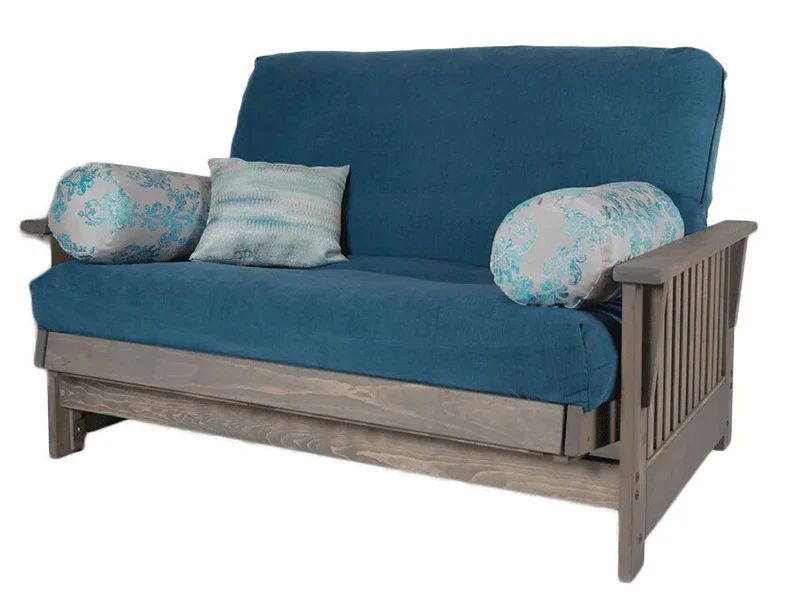
- Hardwood: Frames made from solid hardwoods like oak, maple, or cherry are the gold standard. They are incredibly durable, long-lasting, and offer a timeless aesthetic. Hardwood frames can withstand the rigors of daily use for years.
- Metal: Metal frames are often more affordable and offer a modern, industrial look. While they can be very strong, it's important to check the quality of the welds and the thickness of the metal to ensure stability.
- Pine and Softwoods: These are typically found on lower-priced futons. While budget-friendly, they are more susceptible to dents, scratches, and warping over time, making them less ideal for heavy or long-term use.
Conversion Mechanism
The ease of converting your futon is a crucial factor. A well-designed frame should allow you to switch from sofa to bed and back again with minimal effort. Look for smooth-gliding mechanisms that don’t stick or require excessive force. A front-loading mechanism is often easiest to operate, especially in tight spaces.
The Versatility Factor: Finding the Right Futon for Your Needs
One of the greatest advantages of a futon is its versatility. To choose the right one, consider how you plan to use it.
For Small Spaces and Apartments
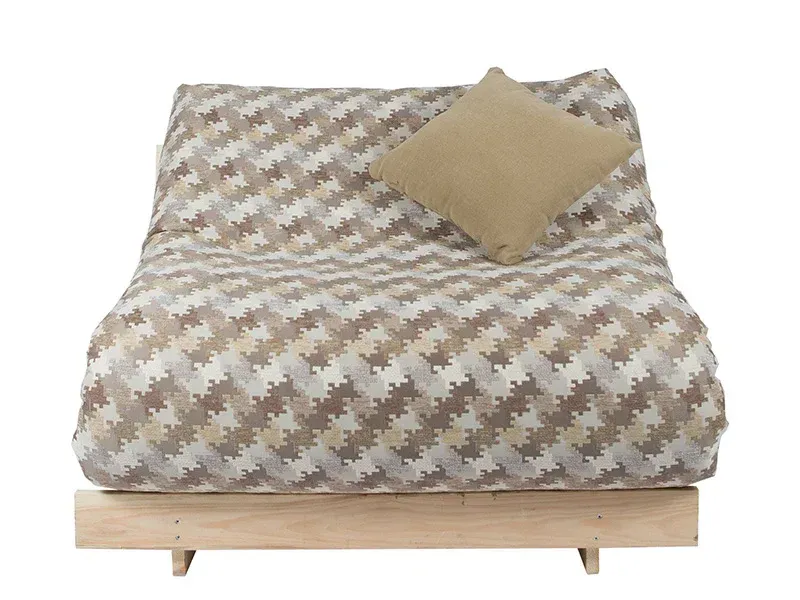
In a studio or small apartment, a futon serves as both your sofa and your bed. Prioritize a high-quality mattress with a durable, supportive core like latex or high-density foam. A sturdy hardwood frame is a wise investment since it will be converted daily. A bi-fold frame that folds lengthwise is a classic space-saver.
For the Guest Room
If the futon will be used occasionally for guests, you can focus on a balance of comfort and style. A mattress with a blend of cotton and foam will provide ample comfort for short stays. You have more flexibility with frame style, allowing you to choose one that best complements your room's decor.
For Everyday Family Use
For a family room or den, the futon will primarily function as a sofa. Look for a durable frame and a thick, comfortable mattress that can stand up to daily sitting. Mattresses with innersprings or dense foam cores often provide a more traditional sofa-like feel. Consider a frame with armrests for added comfort.
A Commitment to Quality and Sustainability: The Futon Shop
When searching for a futon that ticks all the boxes—comfort, durability, and style—it helps to turn to a trusted source. The Futon Shop has built a reputation on its commitment to high-quality craftsmanship and sustainable practices.
They specialize in creating futons with organic and natural materials, including GOTS-certified organic cotton, natural latex, and pure wool. This focus on non-toxic materials means you are bringing a healthier product into your home, free from harmful chemicals often found in conventional furniture. Their dedication to using premium, eco-friendly materials ensures you get a product that is not only comfortable and durable but also good for you and the planet.
Your Futon Checklist
Before you make a purchase, run through this quick checklist:
- Primary Use: Will it be your main bed, a guest bed, or a sofa?
- Mattress: Does the material match your comfort needs (firm, soft, supportive)?
- Frame: Is it made from a durable material like hardwood? Is the conversion mechanism easy to use?
- Size: Does it fit comfortably in your space in both sofa and bed positions?
- Materials: Are you interested in natural or organic options for a healthier home?
A good futon is a smart, flexible, and stylish furniture choice. By focusing on a quality mattress, a sturdy frame, and your specific needs, you can find a piece that will serve you well for years to come.